
There is one step in a flooring project that gets skipped more often than any other, and it is the one that causes the most expensive problems down the road.
Subfloor preparation is not a optional. It is the entire foundation of a successful floor, and cutting corners on it is one of the most common reasons good floors fail too soon.
LVP flooring is one of the most durable, water-resistant, and visually impressive options available to Toronto-area homeowners. It performs beautifully, but only when it is installed over a subfloor that is clean, flat, dry, and structurally sound. And every one of those four qualities matters.
The good news is that subfloor prep is not complicated. It just requires patience, the right information, and a clear understanding of what happens when the steps are ignored.
Keep reading to understand why subfloor prep cannot be skipped and how you can ensure your LVP installation goes smoothly.
Why Your LVP Flooring Is Only as Good as What’s Underneath It
The surface you walk on is only half the story. Here is what is really going on beneath your feet—and why it matters.
1. Flat Within Accepted Tolerances—And That Number Is Tighter Than You Think
Most homeowners assume a “flat enough” floor will do the job. In reality, the subfloor for vinyl plank should be flat within a tolerance of 1/8 or 3/16 inches over a 10-foot span. Many manufacturers prefer the tighter 1/8-inch standard. That is not a lot of room for error.
LVP flooring is flexible by design, which means it will follow the shape of whatever is underneath it. If the subfloor dips or humps even slightly, those imperfections will show through to the surface over time — a problem the industry calls telegraphing.
Furthermore, once planks start telegraphing, the locking joints between them come under stress. That stress leads to clicking sounds underfoot, gaps appearing between planks, and, eventually, the locking system itself beginning to fail. Levelling the subfloor beforehand is far less costly than replacing the flooring.
2. Dry Because Moisture Is the Silent Floor Killer
Excess moisture is a big problem. It can lead to mould, odours, or even stop your adhesive from working properly.
On a concrete subfloor, which is common in Toronto basements and main-level slabs, moisture testing is not optional. Using a moisture meter is quick and easy. High moisture can void your luxury vinyl plank warranty and lead to major problems like mould or adhesive failure down the road.
Moreover, the issue is not always visible. Moisture can sit inside a concrete slab without any surface signs at all, which is precisely why testing with a proper tool is the only reliable method.
For wood subfloors, moisture content must also be confirmed before installation begins, as seasonal humidity in a Canadian home can cause wood to shift, which destabilizes the floor above.
3. Clean—Because Small Debris Creates Big Problems
A clean base is very important for any vinyl flooring installation. Anything on the surface can stop the vinyl plank from sticking properly or even create small bumps that show through your new vinyl. This means removing all traces of old adhesive, paint, grease, dust, and staples left behind from carpet or previous flooring.
For instance, a single carpet tack or a ridge of dried adhesive can create a visible bump in your finished floor and put uneven pressure on the plank above it. This kind of damage is not always immediately obvious. It sometimes takes months before the floor starts to show it. A thorough cleaning at the start saves a frustrating repair project later.
4. Structurally Sound—No Soft Spots, No Squeaks, No Movement
An LVP subfloor must be structurally sound (no movement). Walk the room before installation. If you hear squeaking or feel any bounce or give underfoot, those issues must be addressed first. Loose boards need to be secured. Soft spots in plywood need to be investigated and repaired. Wood subfloors can shift with changes in humidity, so make sure the plywood or OSB panels are tightly fastened, the joints bridged, and the surface both clean and dry.
A subfloor that moves underneath the LVP will put pressure on the click-lock joints, causing them to loosen and separate over time. Plus, a squeaky subfloor won’t stay quiet once the flooring is installed. The noise will transfer directly through to the finished floor.
5. Levelled Properly Using the Right Products
When low spots or dips exist, the solution is not to ignore them or cover them with underlayment and hope for the best. Self-levelling compound is ideal for filling dips and creating a smooth surface. It is fast-curing and suitable for large areas. For higher spots on concrete, grinding is the right approach.
For small imperfections on wood, a patching compound applied with a trowel works well. The method you choose depends on the material and the severity of the problem. What matters is that each method must be fully cured before installing the flooring. Rushing the curing process can compromise the flatness, so always follow the recommended cure time and double-check the surface before proceeding.
6. Protected With a Moisture Barrier Where It Counts
Even when subfloor moisture readings are within acceptable ranges, a moisture barrier is often recommended — particularly for concrete slabs, basements, and ground-level installations. While LVP flooring is waterproof, it is not a proper moisture barrier. Proper waterproofing practices should be followed to protect the subfloor. This is a distinction that catches many homeowners off guard.
Luxury vinyl plank flooring resists water from above, including spills, wet boots, and pet accidents. It does not prevent moisture from migrating upward from below. A quality vapour barrier laid beneath the floor creates that protection and keeps the subfloor in good condition for the long term.
In a city like Toronto, where spring thaw and basement humidity are facts of life, this step is particularly worth taking seriously.
7. Acclimated—The Step That Happens Before the Floor Goes Down
Subfloor prep also includes an often-overlooked step that involves the LVP flooring itself. Bring your vinyl planks or tiles into the room where they’ll be installed at least 48 hours (or longer, check the box!) before you plan to install it. Lay the boxes flat. This lets the flooring planks get used to the temperature and humidity of your home. It also helps prevent the plank from expanding or shrinking after it is installed.
Skipping acclimation is one of the quieter mistakes in flooring installation. When planks go down cold or in a room at a different humidity than its normal year-round state, they expand or contract after the fact, pulling apart at the seams or buckling in the middle.
Canadian homes see significant seasonal shifts in temperature and humidity, which makes acclimation here more important, not less.
Choosing the Right Product for Your Subfloor
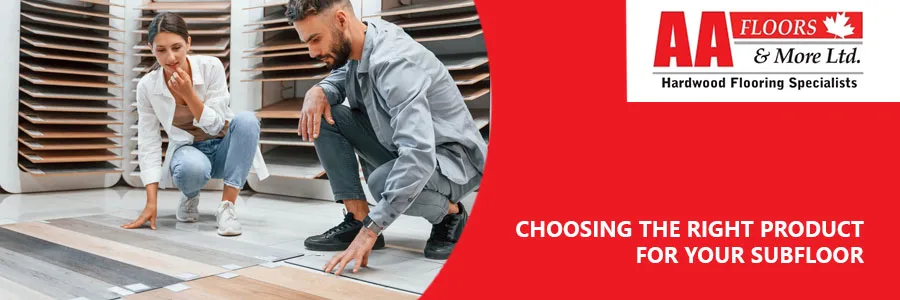
Your subfloor condition should guide your product choice, not the other way around. Pick the right LVP flooring for what you are working with and it will reward you with years of trouble-free performance.
The Product You Choose Affects What Your Subfloor Needs
Not all LVP flooring products have the same subfloor requirements, and this matters when you are shopping.
Thicker wear layers and more rigid core construction tend to be more forgiving of minor subfloor imperfections. Thinner, more flexible products require closer to perfect prep.
When you are browsing luxury vinyl plank flooring, ask your retailer specifically about the subfloor tolerance for each product you are considering. It will affect how much prep work your project requires and how much that prep work costs.
Laminate Has Similar Demands and Consequences
Many homeowners compare LVP flooring side by side with laminate options before making a decision. The good news is that the subfloor preparation principles are very similar. Whether you choose LVP or laminate flooring on sale in Toronto, you will need the same clean, flat, dry, and solid foundation. The difference is that LVP offers better moisture resistance once installed, which makes it more forgiving in kitchens and bathrooms where laminate can swell and blister if water gets underneath.
AA Floors Carries Products Suited to a Range of Subfloor Conditions
When your subfloor isn’t perfect (most aren’t), the right product choice makes a real difference. AA Floors & More carries a wide selection of LVP and laminate options with varying core thicknesses and flexibility ratings, which means their team can point you toward a product that works with your subfloor rather than against it.
Whether your project is a Toronto condo, a semi-detached home in Etobicoke, or a full basement reno, knowing your subfloor condition before you walk into the showroom helps you make a smarter decision faster.
Professional Consultation Is Part of the Prep Process
For larger floors, extensive repairs, or issues like moisture or structural movement, professional installation ensures compliance with LVP flooring manufacturer standards. Professionals can diagnose complex problems such as foundation shifts or hidden leaks. A quick conversation with a knowledgeable flooring professional before you commit to a product—or start your prep—can save you significant time, money, and frustration. This is especially true for older Toronto homes, where subfloor conditions can vary widely from room to room.
A beautiful floor starts well before the first plank goes down. LVP flooring is one of the most reliable and long-lasting choices a Toronto-area homeowner can make, but it rewards the homes that take subfloor prep seriously and shows the strain in homes that do not. Clean, flat, dry, and solid: those four words are worth writing on a sticky note before your project begins. AA Floors & More is a good place to start when you want honest advice, quality products, and guidance that is built around your actual space—not just a sale.
AA Floors & More Ltd.
524 Evans Ave Etobicoke ON M8W 2V4
TELEPHONE : (416) 201-9611
Click here to send Email
OPENING HOURS
Monday-Friday 8:00 am – 6:00 pm
Saturday 9:30 am – 3:30 pm
Sunday-Closed